How to spot signs of deck damage
A homeowner can record visible concerns from a safe position, but that is not a structural inspection. A qualified professional can assess the deck and its connections.
What you'll learn
- How to record visible concerns without testing the structure
- Why the ledger, posts and connections need professional attention
- What to ask about concealed areas and the written assessment
Step by step
- Start from a safe position
Keep people away from an area that feels unstable. Do not walk over suspect boards, shake a railing or go beneath a deck that may be unsafe.
- Record visible signs
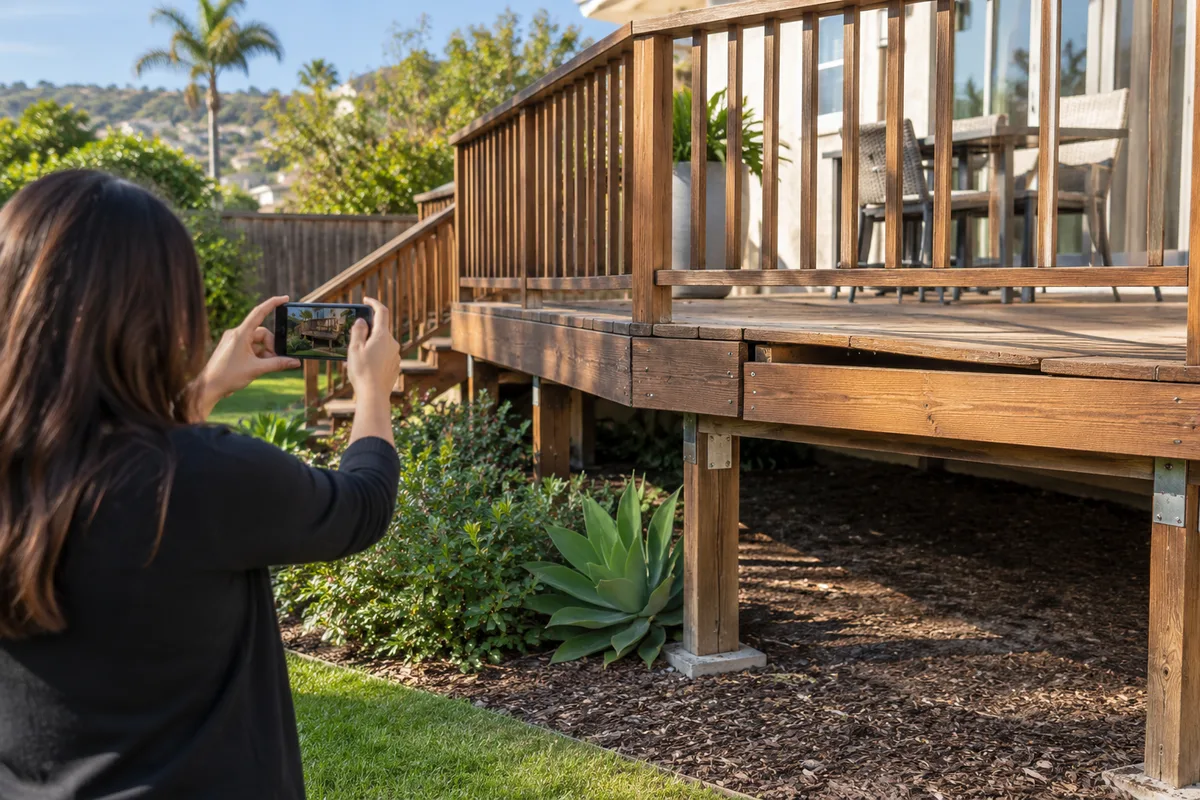
From a safe location, photograph staining, loose components or visible deterioration. Note where and when water collects.
- Collect the records
Find existing plans, permit records and previous repair information if available. Share them with the professional.
- Request an assessment
Ask a qualified professional to assess the framing, house connection, posts, stairs and rail attachments as appropriate to the deck.
- Discuss what remains hidden
Ask which parts were visible, which require further investigation and what immediate access restrictions or repairs are recommended.
Do not rely on a visual check to establish structural safety. Follow a qualified professional’s advice about restricting access.
Rather have a pro handle it?
Tell us about your project and ask about an independent local professional.
Keep learning.

How to plan composite deck cleaning
Cleaning instructions differ by board manufacturer and product line. Start with the instructions for your decking and stay off any area that appears unsafe.

How to plan wood deck refinishing
Before refinishing a wood deck, check its condition and the finish manufacturer’s instructions. Surface treatment does not repair loose connections or damaged framing.
How to compare decking materials
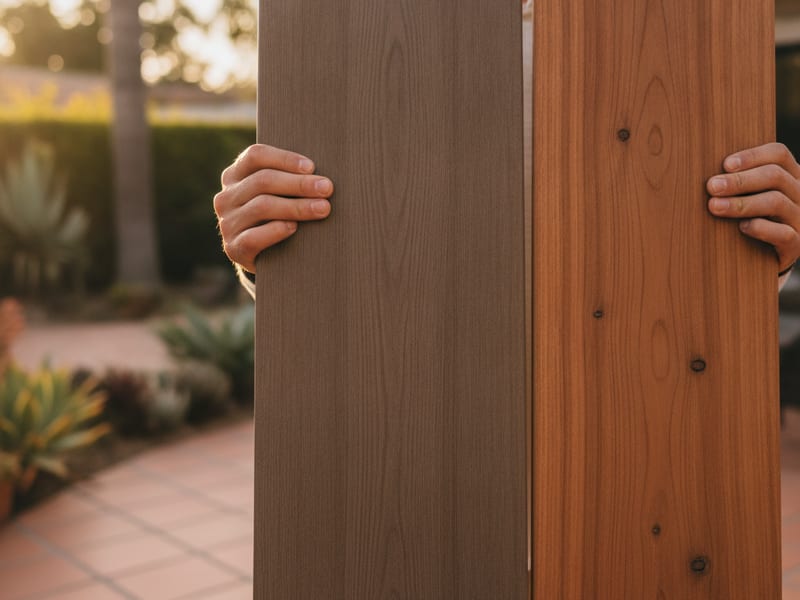
Choosing decking involves more than color. Compare the complete proposed system, maintenance instructions, site exposure and the rules that apply to the address.